
As industries move toward more compact and efficient power solutions, planar transformers are becoming the preferred choice for engineers and system designers. With their advanced design and thermal performance, planar transformers outperform traditional models in many ways. Mentech, a leading planar transformer manufacturer, delivers high-quality planar transformers that meet the demands of modern power systems. This article explores key planar transformer advantages and highlights their growing applications in electric vehicles.
Low Resistance for Better Efficiency
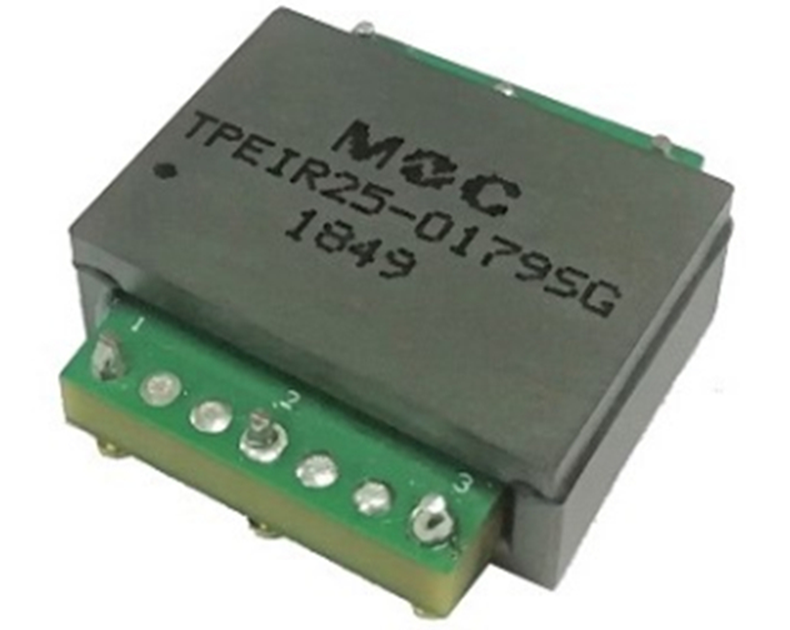
One of the major planar transformer advantages is low resistance. Due to fewer winding turns and a wide, flat structure, planar transformers offer improved heat transfer and reduced resistance. This leads to lower leakage inductance and enhances the efficiency and reliability of high-frequency power systems. Mentech, as a trusted planar transformer manufacturer, designs each product with optimized winding structures to minimize energy loss and support stable power delivery.
Ideal for Electric Vehicle Applications
With the rapid development of electric vehicles (EVs), the need for compact, high-performance components is more critical than ever. Planar transformers are ideal for EV systems because they save space while maintaining strong thermal and electrical performance. They are often used in onboard chargers and DC-DC converters, contributing to fast charging and system efficiency. As a top-tier planar transformer manufacturer, Mentech offers customizable solutions to meet the unique demands of automotive clients and beyond.
Conclusion
In summary, the key planar transformer advantages—especially low resistance and space efficiency—make them an excellent choice for cutting-edge technologies like electric vehicles. Mentech, a reliable planar transformer manufacturer, continues to innovate in the field, providing compact, efficient, and customizable transformer solutions for the future of power electronics.